
Impacted Wisdom Teeth: Causes, Pain Stages, and Recovery Time
Are you dealing with a dull ache at the back of your jaw that won’t go away? If you’re between 17 and 25 years old, your wisdom teeth might be the culprit. Impacted wisdom teeth affect millions of people worldwide, causing pain, swelling, and sometimes serious infections. The good news? Understanding what’s happening and knowing when to seek help can save you from months of discomfort. In this guide, you’ll learn what causes impacted wisdom teeth, the different pain stages you might experience, and exactly how long recovery takes after removal.
What Are Impacted Wisdom Teeth?
Wisdom teeth are your third set of molars that usually appear between ages 17 and 25. They’re called “wisdom” teeth because they emerge when you’re older and supposedly wiser. Most people have four wisdom teeth, though some have fewer or none at all.
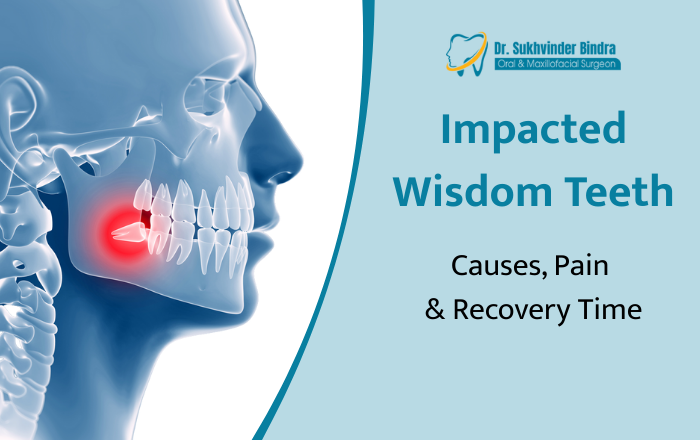
When we say a tooth is “impacted,” it means the tooth doesn’t have enough room to grow normally. Instead of coming through your gums straight and healthy, the tooth gets stuck—either beneath your gums, in your jawbone, or growing at an odd angle that pushes against other teeth.
According to the American Association of Oral and Maxillofacial Surgeons, about 85% of wisdom teeth will eventually need removal because they become impacted.
What Causes Wisdom Teeth to Become Impacted?
1. Not Enough Space Your jaw might simply be too small to fit all 32 teeth. Over thousands of years, human jaws have become smaller due to changes in diet, but we still grow the same number of teeth our ancestors had.
2. Family History If your parents had impacted wisdom teeth, there’s a good chance you will too. Jaw size and tooth patterns run in families.
3. Wrong Angle Sometimes wisdom teeth grow sideways, tilted, or at strange angles instead of straight up. This makes it impossible for them to come through properly.
4. Crowded Teeth If your other teeth are already crowded or you’ve had braces, there might not be room left for wisdom teeth to fit comfortably.
The 4 Pain Stages of Impacted Wisdom Teeth
Understanding these stages helps you know when it’s time to see a dentist.
Stage 1: No Symptoms
Your wisdom teeth are growing beneath your gums, but you don’t feel anything yet. This stage can last for months or years. Only an X-ray would show what’s developing.
Stage 2: Mild Discomfort
You start noticing a dull ache at the back of your mouth. Your jaw feels slightly sore, and opening your mouth wide might be uncomfortable. The pain level is usually around 3 to 5 out of 10. Salt water rinses and over-the-counter pain relievers can help temporarily.
Stage 3: Severe Pain
The tooth is now fully impacted and causing real problems. You’ll experience sharp, throbbing pain that might spread to your ear or neck. Your gums look red and swollen, you might notice bad breath, and chewing becomes difficult. Pain levels jump to 7 or 9 out of 10. This is when you need to see a dentist right away.
Stage 4: Emergency Level
Without treatment, infections develop. You might run a fever, see pus around your gums, and experience severe swelling in your face. The pain becomes unbearable, making it hard to sleep or eat. This requires immediate medical attention because infections can spread to other parts of your body.
Warning: If you have a fever above 101°F, trouble breathing or swallowing, or severe facial swelling, seek emergency care immediately.
How Long Does Wisdom Tooth Pain Last?
Without Treatment
Impacted wisdom teeth pain doesn’t just disappear on its own. Without removal, you could suffer for months or even years. The symptoms typically get worse over time, and you risk developing serious infections.
After Removal: The Recovery Timeline
▸Days 1-3: The First Days Pain is moderate to strong but manageable with medication. You’ll have some bleeding that gradually stops, and swelling reaches its peak around day 2 or 3. Stick to soft foods like yogurt, soup, and ice cream. Use ice packs to reduce swelling.
▸Days 4-7: Getting Better Pain drops to mild or moderate levels. The swelling starts going down, though you might see some bruising on your face. You can slowly start doing normal activities again, and your jaw will feel less stiff.
▸Days 8-14: Healing Well Most swelling is gone by now. You’ll only feel occasional soreness. You can return to eating regular foods (carefully), and the extraction sites are closing up nicely.
▸Weeks 3-4: Almost There Very little to no pain remains. Your gums have healed completely, and you can do all your normal activities. The bone underneath continues healing for a few months, but you won’t notice this process.
Research shows that 95% of patients feel much better within the first week after wisdom teeth removal.
Managing Pain at Home (Before Your Appointment)
While these tips won’t cure impacted wisdom teeth, they offer temporary relief:
- Ice packs reduce swelling and numb pain (15-20 minutes every hour)
- Salt water rinses fight bacteria (1 teaspoon salt in warm water, rinse 3-4 times daily)
- Pain relievers like ibuprofen help with pain and inflammation
- Clove oil acts as a natural numbing agent (apply with a cotton ball)
- Sleep elevated on 2-3 pillows to reduce nighttime throbbing
- Eat soft, cold foods like smoothies to avoid irritating your gums
Important: Avoid smoking, using straws, or drinking alcohol—these make pain worse and slow healing.
Why You Shouldn’t Ignore Impacted Wisdom Teeth
Leaving impacted wisdom teeth untreated leads to:
- Chronic infections that keep coming back
- Damage to the teeth next to your wisdom teeth
- Cysts that can harm your jawbone
- Jaw problems and stiffness
- Undoing years of braces work if teeth shift
Studies show that waiting to remove wisdom teeth after age 25 increases your risk of complications by 40%.
Get Help for Your Impacted Wisdom Teeth in Secunderabad
If you’re dealing with wisdom tooth pain, don’t wait for it to get worse. Early treatment prevents complications and speeds up recovery.
Dr. Sukhvinder Bindra, Oral and Maxillofacial Surgeon in Secunderabad, specializes in impacted wisdom teeth removal. With years of experience and modern techniques, Dr. Bindra helps patients find relief quickly and safely.
Why choose Dr. Bindra?
- Gentle surgical methods for faster healing
- Multiple anesthesia options for your comfort
- Clear explanations throughout your treatment
- Same-day consultations available
- Clean, modern facility
Don’t let wisdom tooth pain control your life. Schedule your consultation with Dr. Sukhvinder Bindra today and take the first step toward feeling better.
Remember, impacted wisdom teeth won’t improve on their own. With proper care and the right dental surgeon, you can be pain-free in less than a week.
